

Our 2026 Harvest Gets Decided Today.
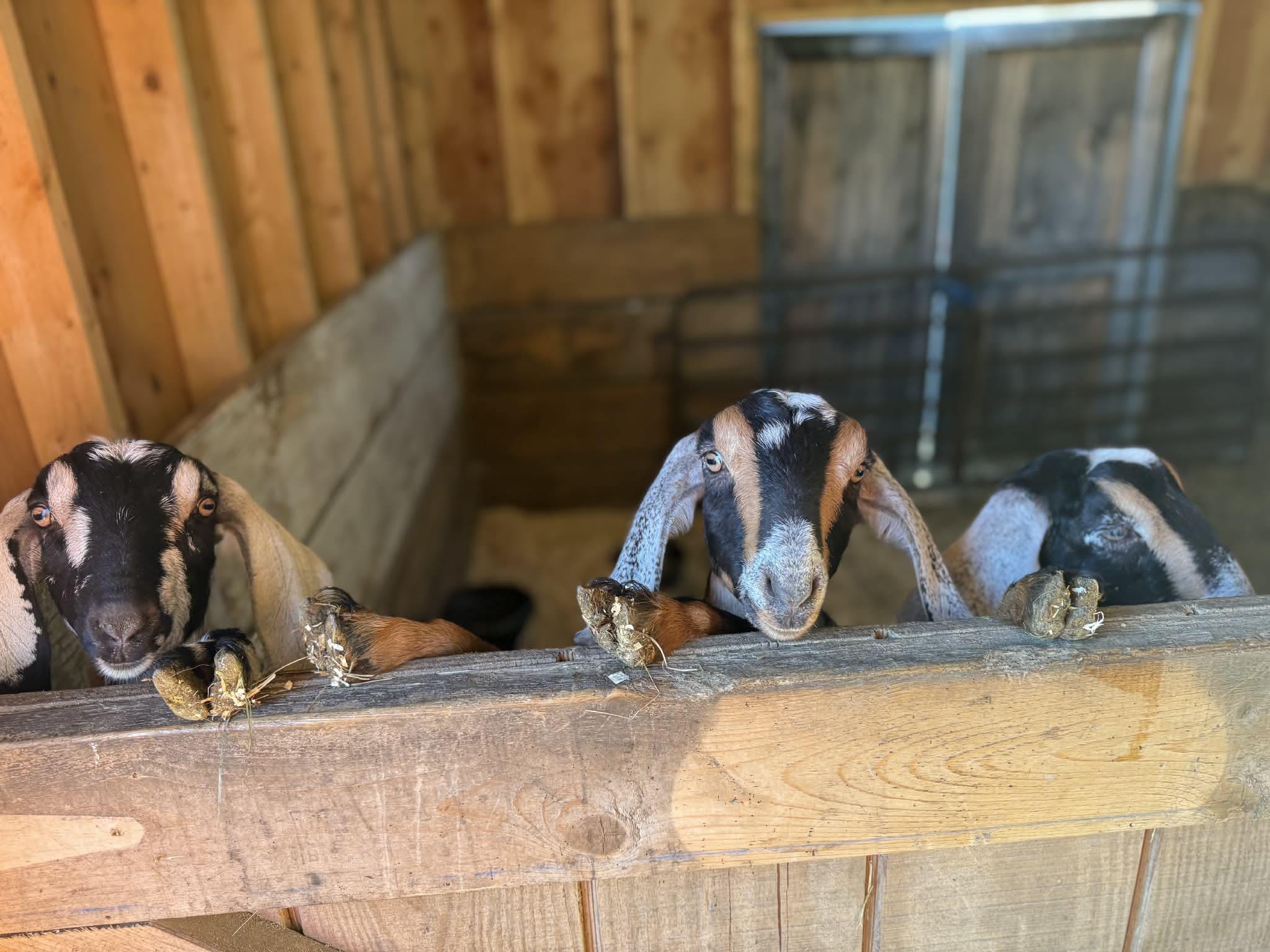
We haven’t posted in a while so I decided to tackle this persistent idea that winter is a farm’s slow season. I totally understand where this comes from. The fields are quiet, yes. The garden beds are frozen, too. Absolutely nothing looks like it’s growing. But, ah, things are. (For example, our goats are still growing, among other things!)

Our daily chores are done in the brutal cold. But there’s also other work going on, inside, on paper…it’s planning!
Right now, in this weirdo stretch after Christmas and before the New Year, our farm is anything but idle. Thought you might want to know what we’re doing.
Planning Seed Beds While the Ground Is Frozen
We’re planning our seed beds now while the snow still on the ground. For us, this marks the start of our new growing season. It starts with decisions, decisions, decisions. We ask ourselves things like:
How much space will go to storage crops versus fresh eating? What do we succession plant, and what gets one chance to perform? Where do we need to rotate? What earned its place again this year? Perhaps even more importantly, what didn’t? (I want to ditch zucchini so badly but, I think I’m going to lose that battle, again.)
Winter planning is really less about optimism and more about memory. You remember what bolted too fast. What struggled with disease. What took up space but didn’t earn it back. Every square foot matters, especially in our short Maine growing season. Add drought (or an extended rainy season), and yikes! One simple decision or short cut can sink a season. I feel that pressure sometimes.

But, in general, the decisions themselves don’t feel THAT dramatic right now. We’re often preoccupied with Noreasters, frozen troughs, and more. With that said, I can attest to the fact that the weather has a way of revealing which decisions are stupid so, we need to always be two steps ahead of it if we can.
Seed Catalogs Are Work Docs
I LOVE SEED CATALOGS. In fact, I love, love, love to curl up, flip pages, and dream of spring. But, it’s more than leisure reading. In fact, they’re more like work documents. You can read about our go-to seed choices in this post about Organic Heirloom Seeds: https://rimefarm.blog/2024/05/09/certified-organic-heirloom-seeds/
Links to a copy of our favs right here.


When we look at these catalogs we’re reading things like days to maturity, cold tolerance, disease resistance, storage quality, and flavor. We think about what can be companion-planted and what really can’t. We cross-check what we already have on hand, count what needs reordering, and flag the varieties that sound tempting but maybe don’t quite match our reality. I really want to plant bananas and papaya, but Zone 5B keeps me humble. 🙂 There’s more but you get the idea.
Every seed order represents time, labor, water, space, and attention. Winter is when we decide where those resources go, and where they don’t. I have spreadsheet after spreadsheet spread out in front of me. Sometimes prices are limiting. Sometimes a new variety begs to be tried. What new pests are pressuring farmings Downeast?
All told, we plant around sixty varieties of fruits, herbs, and vegetables each year, so all of this takes time and…it’s time well spent.
Counting People and Trays
This time of year we’re also counting seed trays. So many questions crop up (no pun intended) that change just a smidge from year to year:
How many starts can we realistically manage without cutting corners? Which crops need lights and heat mats? Which can handle a cold greenhouse? Which trays are cracked just enough to fail at the worst possible moment? (Hahaha!)

We go through a ton of supplies from year to year. If you don’t inventory in January, we’ll scramble in April when our go-tos are sold out. Winter is where those mistakes get prevented. My brother always says that “prior proper planning prevents piss poor performance”. So, heeding his advice…
We’re also counting people! We’re interviewing interns this week. We get college interns from across the country. We’re thinking about who might fit into the rhythm of this place, who’s curious enough to learn, steady enough to handle unpredictability, and humble enough to work with weather instead of against it. He or she has to fit just right because they’re going to be living and working alongside us. Not everyone can do that and nor should just anyone. We’re quirky and a bit old school. But, most of all, we’re trusting and put in a good days’ work. The people we share our space with must be hard-working, trustworthy, dependable, and willing to get horse poop on their boots.
So, interviews take a while. Farming is demanding, and the people who help make it run matter just as much as what we plant.
Broiler Chicks Are Already on the Calendar
We’ve already ordered our broiler chicks! Yippee. End of April ship date. That single decision sets off a chain reaction here. I have to check my brooder setup and heat lamps. (We use a a swimming pool set up the first couple of days.) Do I have working bulbs? I need to save up for those the big organic feed orders. Broilers eat ALOT. We have to plan the chicken tractor timing, the labor, and even the freezer space. Before that I have to order either shrink wrap bags or foodsaver bags. (Those shrink wrap bags are a big deal because the prices can swing wildly. We’ve been late ordering them before and the bag costs can really skyrocket.) The early bird gets the worm…err, good deals on the bags.
Although I like to think we’re old pros at this, we know not to order chicks on a whim. We order them because we’ve already made up our minds that we can raise and process them. (Which reminds me that I need more puppy pee pads and shavings ahead of their arrival.)
We also order egg cartons for the entire year in the winter. We order in bulk so we can take advantage of bulk pricing. So, now we have to figure out how many we might use. Too many and we’re sitting on empty cartons. Too few and we can’t reorder until we save up for a big load.
The Paperwork Nobody Sees
I’ve also pulled out our MOFGA paperwork for our renewed Organic System Plan and subsequent upcoming review. This is drudgery so, I try to knock out what I can when I have a quiet moment. It’s part of our daily farming life even though it never makes it into any of our photos. 🙂
There are receipts, records, input lists. field histories, crop plans and more logs than we can shake a stick at. Organic certification is basically something we need to maintain on the daily. Fortunately, winter is when we have a little more space to organize all the paperwork. The rest of the year, it mostly gets done in fits and starts.
Of Course, the Chores Don’t Stop Just Because It’s Cold.

All of this planning happens alongside the daily work.
Feeding.
Watering.
Breaking ice.
Checking animals.
Moving carefully on frozen ground.
Winter chores take a lot longer to do and mistakes cost more when it’s cold. So, we basically can’t rush anything because rushing is how people get hurt and animals get missed.

What Winter Really Is
Winter is when the farm decides what kind of year it’s going to have.
We’re trying to match our hope to capacity. We’re either setting limits or expanding infrastructure. We also try to choose what we’re doing well rather than trying to do everything. All of the more visible work comes later, but the direction is set now. So, it’s like spring gets the credit but winter does ALL the thinking. 🙂 Still, like Mox and Jake, we’re looking ahead.

A quick note about the photos on our site. Photos are original to Rime Farm. Please don’t reuse without asking—we’re happy to talk.




Leave a Reply