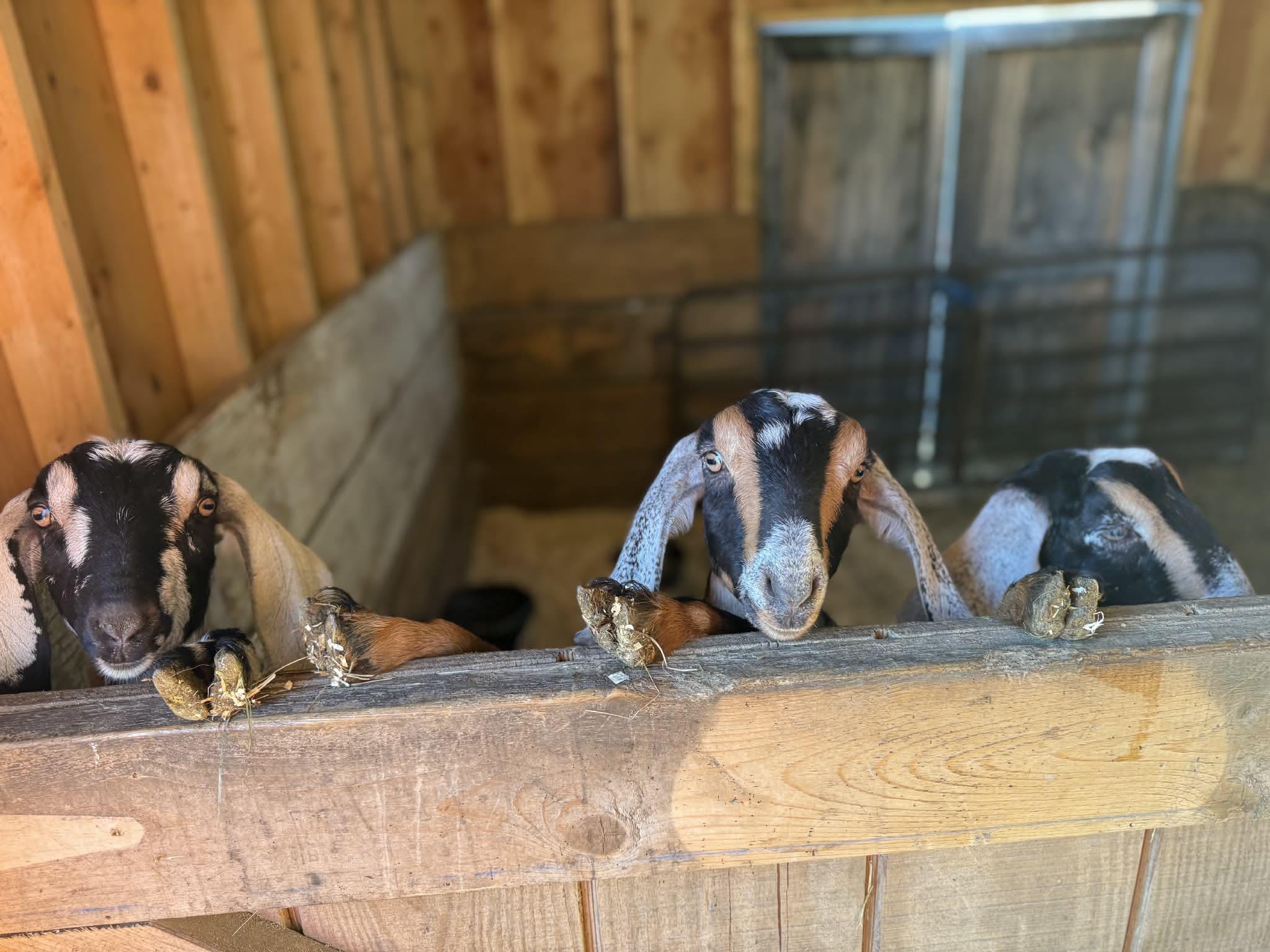
Buying local food from small family farms (like us here at Rime Farm) can have several benefits, including:
Ensuring food safety: Small family farms have complete control over their production practices, which can help to ensure that the food is grown or raised in a safe and sustainable manner. We eat what we raise and grow here. We know it’s nutritious, free from pesticides, chemicals, and all the other methyl-ethyl bad stuff you read on food packaging. We’re transparent about our production practices and provide more information about how the food is grown or raised than anyone we know. Conversely, CAFOS (Confined Animal Feeding Operations and some mono-croppers hide their practices from the public view. And, if you ever been in a CAFO, you’d know why.)
Supporting the local economy: When you buy food from local small family farms, you are support the local economy and help to keep small businesses alive. Besides our family working full time at the farm, we also employ part time employees during our harvest season. We actively participate in a number of benefit programs designed to assist locals who struggle with food security, including WIC, SNAP, Harvest Bucks, and The Maine Senior Farm Share program. By adding our farm, and providing a good value, their resources can stretch further.
Reducing carbon footprint: Buying food from local small family farms can reduce the carbon footprint associated with long-distance transportation of food. By purchasing food that is grown or raised nearby, you are reducing the amount of energy required to transport the food, which can help to reduce greenhouse gas emissions.
Since we’re a MOFGA certified organic and produce our own compost (nothing is wasted here) we have a smaller carbon footprint than big factory farms. We have no need for transporting chemicals, we don’t export or import, and we don’t use pesticides, herbicides or fertilizers. There’s no pressure treated wood touching the soil, we use BPA free hoses for irrigation, and we buy compostable packaging. We annually certify. This means submitting our organic production plans for review, getting our water and soil tested, and having our farm physically inspected by a live person. Our customers can feel confident they’re getting real organic.
Promoting biodiversity: Small family farms are likely to grow a wider variety of crops and raise a wider variety of animals, which can help to promote biodiversity and preserve genetic diversity in our food system. We raise heritage breeds, select only non-GMO and organic seeds. Furthermore, we grow over 50 varieties of vegetables ensuring some of the varieties stay viable. We even save our own seeds!
Building community: Purchasing food from local small family farms help to build a sense of community and connection between farmers and consumers. This can help promote a more sustainable food system and create a more resilient local food system that is better able to withstand disruptions. (Remember the toilet paper fiasco during the Covid pandemic?) While we can’t make toilet paper (yet! Ha ha!) we are working hard at ensuring we can produce most of the staples we need to survive another pandemic, like soap, teas, and other farmstead products.
We consider our customers part of our Rime Farm community. We plan ahead for your needs and worry about growing enough for everyone in case of a drought, too much rain, etc. We’ve put up a 96 x 30 greenhouse to increase our yields and often ask our customers to tell us what you enjoy eating the most.
Buying local food from a trusted small family farms has benefits for everyone–you, the farmer (us), and the environment. Please reach out with any questions. We’d be happy to help answer them. And, visit us on the web here to give us a try.