
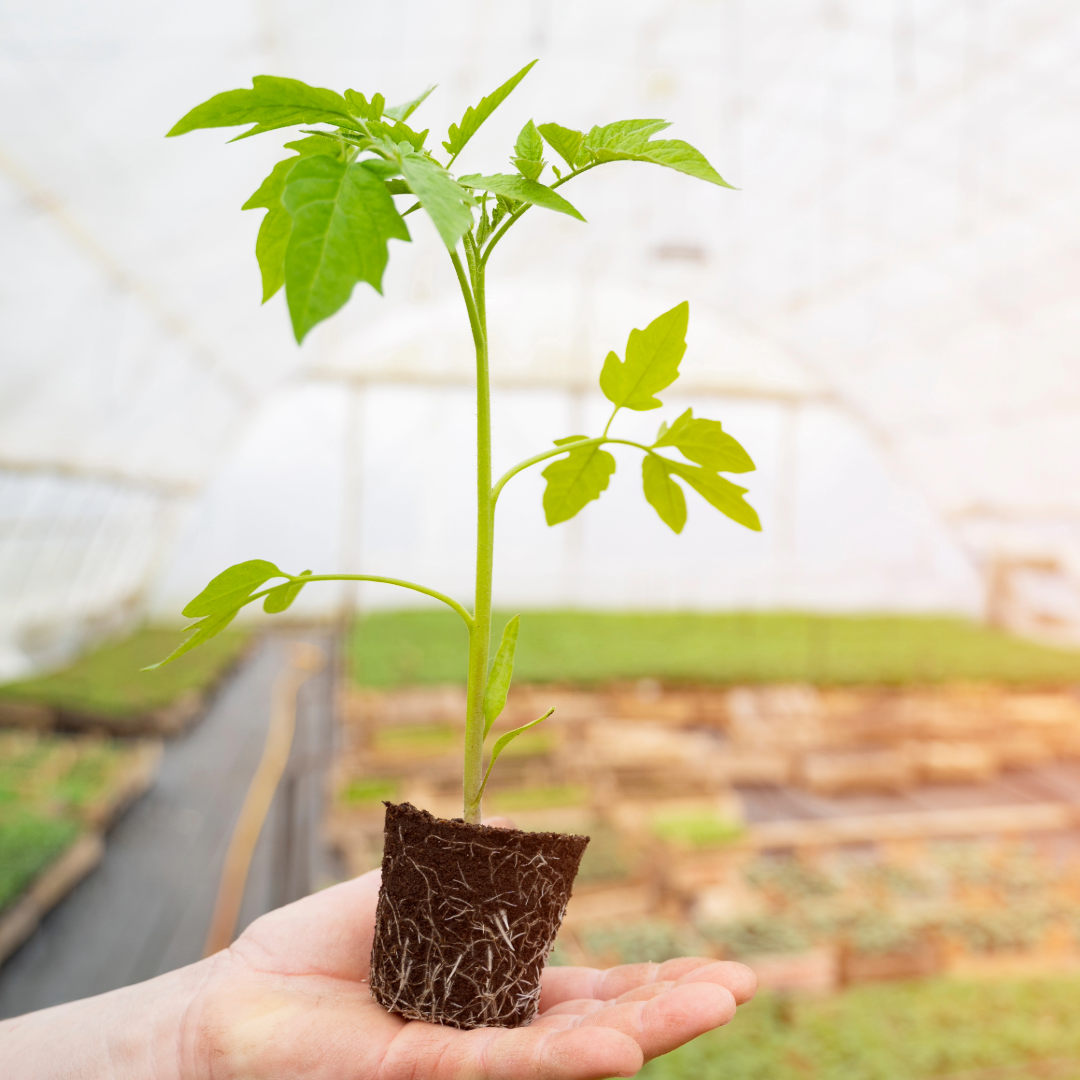
Creating a planting schedule for Zone 5B is a great way to ensure a successful and productive gardening season. In Zone 5B, the last frost date is typically around mid-May, but it’s always a good idea to feel that out. The better the predictions the more accurate this schedule is. Based on this frost date, Here’s a general planting schedule for both starting seeds indoors and planting outdoors. Remember, these are ONLY guidelines and may need to be adjusted. It is Maine, after all.
“If you don’t like the weather, just wait a minute!”
~Someone’s Grandma in Maine
Starting Seeds Indoors
- Late January to early February: Start seeds of slow-growing plants indoors, examples are onions, leeks, and shallots.
- Late February to early March: Begin sowing peppers, tomatoes, and eggplants indoors. These crops need about 6-8 weeks of growth before they can be transplanted outdoors after the last frost.
- Early to mid-March: Start broccoli, cabbage, and kale indoors. They can be moved outside 4-6 weeks later, potentially before the last frost if you provide some protection like a cold frame or row cover. We use low-tunnels.
- Late March to early April: Sow lettuce and other leafy greens indoors for transplanting in early spring. You can also start herbs indoors during this time.
Planting Seeds or Transplants Outdoors
- Early to mid-April: Direct sow cold-hardy crops like peas, spinach, and radishes as soon as the soil can be worked. You can also transplant broccoli, cabbage, and kale started indoors, protecting them if a late frost is predicted.
- Late April to early May: Plant potatoes and transplant onions, leeks, and shallots that were started indoors.
- After the last frost date (mid-May): Transplant tomatoes, peppers, eggplants, and other warm-season crops outside. Also, it’s safe to sow seeds of beans, corn, cucumbers, squash, and pumpkins directly into the garden.
- Late May to early June: For a continuous harvest, consider a second planting of crops like beans and corn.
Additional Tips
- Hardening Off: Gradually acclimate indoor-started plants to outdoor conditions over 7-10 days before transplanting.
- Soil Preparation: Ensure your garden beds are ready by adding compost and any needed amendments based on a soil test.
- Watering: Keep the soil consistently moist, especially during seed germination and as plants are establishing outdoors.
- Pest and Disease Management: Use organic methods like row covers to protect young plants and encourage beneficial insects by planting a diversity of flowers and herbs.
Gardening schedules always take a bit of planning, but they do pay off with a more productive garden. Of course, you can’t control the weather. We hope we don’t have a repeat of last year’s rain!
Remember that you don’t need to start everything for your garden. You can buy seedlings from Rime Farm!




Leave a Reply