
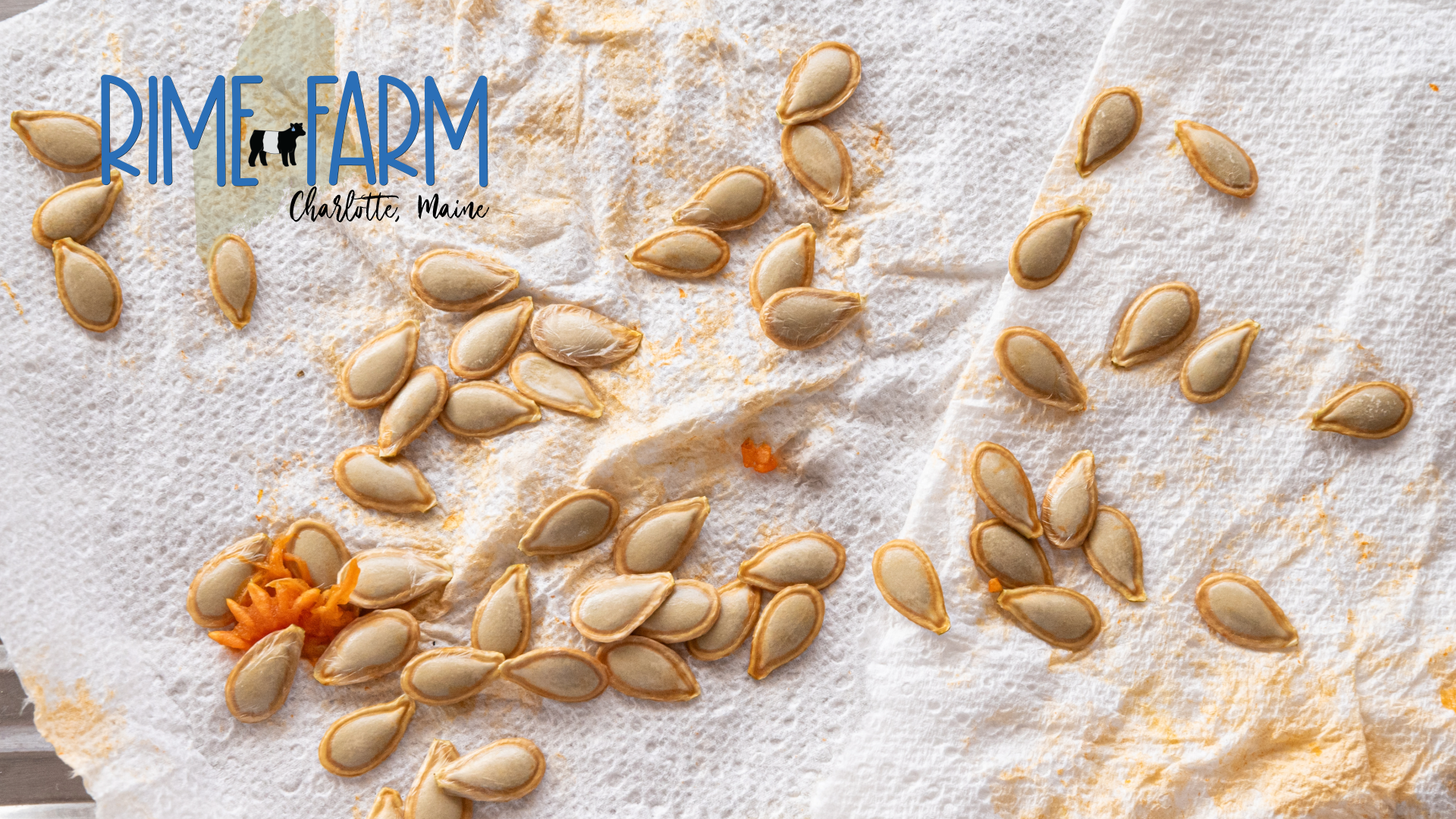
Saving seeds isn’t just an old-fashioned homesteader’s habit (although, guilty as charged!). After all, it’s nice to have some seeds ready to go for a bountiful garden in the summer months. But, more than that, it’s actually an act of ecological responsibility. Every time we gather seeds from our gardens, we’re prepping for future harvests! It’s an way to actively preserve biodiversity and strengthen our food security. How cool is that?
Seeds are promises to us that our rich variety of plant life remains intact for generations to come. Industrial agriculture (BIG AG) increasingly dominates the world. This is your chance to fight back in a small way. Monocultures and seed patents threaten genetic diversity because they flood the market with one variety. Seed saving is a quiet but powerful form of resistance.
Why Seed Saving Matters More Than Ever
Nature thrives on diversity. Ecosystems rely on a vast range of species. Read some of our past blog posts on this and you’ll know we’re so passionate about it. This includes the vast networks of soil microbes. It also includes the intricate relationships between plants and pollinators. When we save seeds from plants adapted to our local climates, we nurture resilience. These seeds have adjusted to soil conditions and pest pressures. We become stewards of resilience! Heirloom and open-pollinated varieties carry within them the stories of countless seasons. They retain those specific traits that make them uniquely suited to thrive in specific environments.
Take a moment to consider how industrial agriculture operates. It consists of vast fields of a single crop species. These species are vulnerable to disease, pests, and climate shifts. These monocultures require heavy chemical inputs to survive, depleting the soil and harming surrounding ecosystems. In contrast, seed-saving preserves genetic variety, fostering plants that are naturally more adaptable and less dependent on artificial interventions.
We’ve spoken of this before but, if you’re just joining us here for the first time, we can show you how to select good stock to to start with.
Choose a good vendor. For the big three, we like FEDCO, High Mowing Seeds, and Johnny’s Seeds.
From there, you cans shop the varieties of vegetables you want by looking at the descriptions. They offer insight into which seed will work best with your environment, soil type, USDA Growing Zone.
For example, this is a tomato variety we love–Cherokee Purple from FEDCO. The description provides a TON of information about the variety. Toward the bottom of the page, you’ll find seed saving tips that are relevant to that particular plant. Remember each variety of plant might be different. So these tips are SO handy.

Getting Started with Seed Saving
If you’re new to seed saving, the best way to start is with plants that are naturally eager to reproduce. Tomatoes, beans, peppers, and lettuce are excellent choices because their seeds are easy to collect and store.
Start by selecting the strongest plants. Choose the healthiest ones that have shown resistance to disease and pests. Select plants that produced a good yield or demonstrated exceptional flavor. These are the genetics worth carrying forward.
Once you’ve harvested your seeds, drying them thoroughly is crucial. Moisture is the enemy of longevity, leading to mold and reduced viability. A well-ventilated area or a dedicated seed-drying screen can help ensure seeds are completely dry before storage.
We like they way these look by Strictly Medicinals. But, it’s super easy to build your own. They’re basically just wooden frames with screens attached. Way less expensive if you Do It Yourself.

Storing Seeds for Long-Term Success
Proper storage extends the lifespan of seeds, keeping them viable for years. A few key principles apply:
- Cool, dark, and dry conditions: A pantry, basement, or even the refrigerator can work. Silica gel packets help absorb excess moisture, preventing mold.
- Airtight containers: Mason jars, resealable mylar bags, or even vacuum-sealed pouches can protect seeds from humidity and pests. (We use Mason Jars).
- Label everything: A season later, distinguishing basil seeds from bell pepper seeds by sight alone can be a guessing game. Date your labels so you know which seeds to use first.
For those who want a simple and effective seed storage solution, you can also invest in a seed-saving kit. It should include desiccant packs (food safe oxygen absorbers), airtight glass jars, and organizing labels. This can make the process more foolproof. But, we think you’d have way more fun using things you already have around your homestead.
One Seed at a Time, YOU CAN DO THIS!
Every seed holds the potential for an abundant harvest. We do more than secure our next harvest when we take the time to save and store them. We contribute to a larger movement of sustainability, resilience, and planetary health. Win, win and a bit of fun, too.






Leave a Reply