
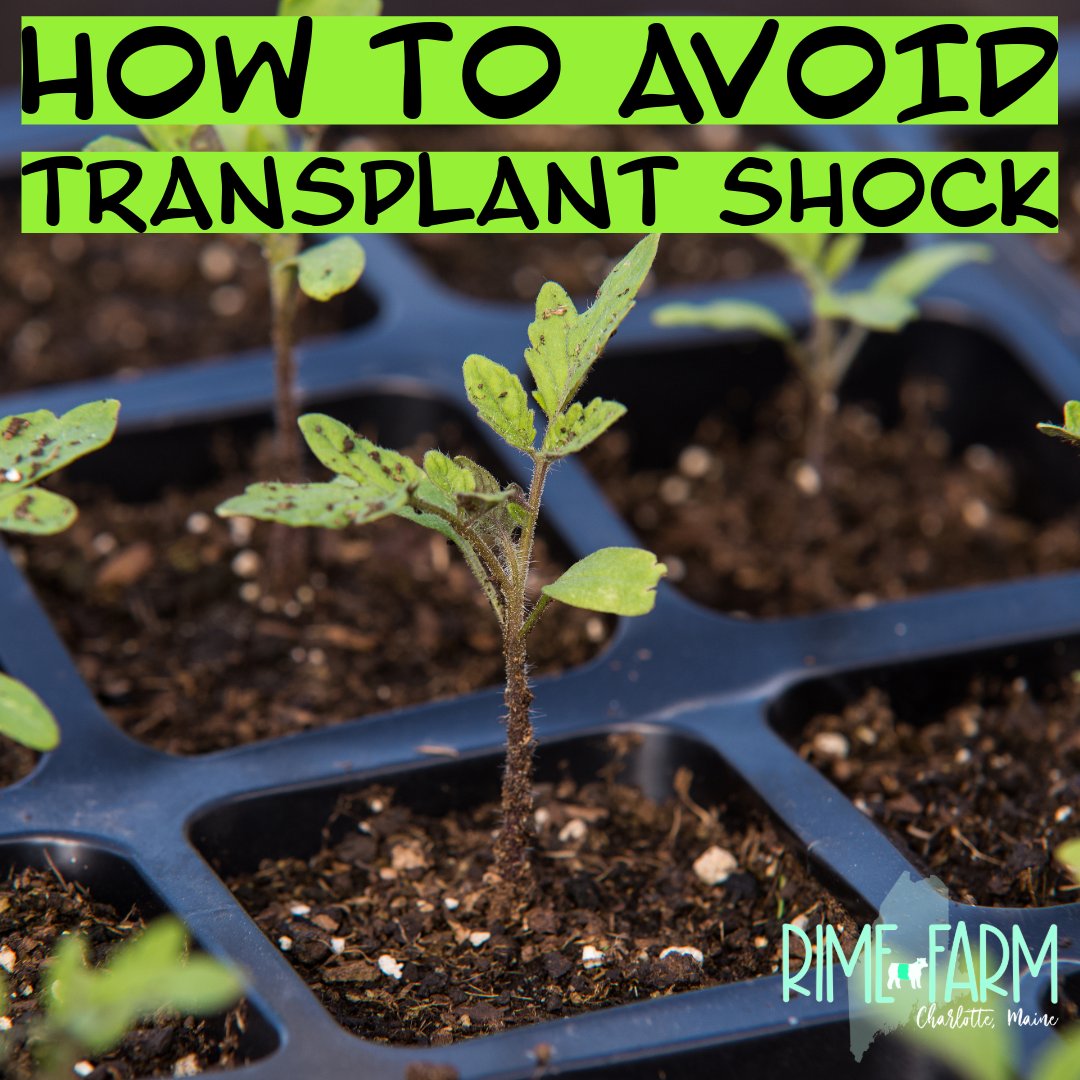
Gardening in USDA Zone 5b is a rewarding yet challenging endeavor, especially when it comes to the intricacies of transplant shock and the decision of which vegetables to direct sow versus transplant. As seasoned gardeners navigating the temperamental (and changing) climate of Downeast Maine, we’ve come to appreciate the delicate balance required to produce vegetables today. Let’s chat about how best to manage transplant shock for the Downeast Maine zone.
The Reality of Transplant Shock
Transplant shock is a term that all too often strikes fear into the hearts of gardeners. It refers to the stress that plants experience when they are moved from one environment to another, particularly from controlled indoor conditions to the unpredictable outdoors. This stress is typically due to the disruption of the plant’s root system, impairing its ability to absorb water and nutrients effectively. The symptoms are quite alarming as far as gardens go: wilting, stunted growth, leaf loss, or even (YIKES) plant death.
In our experience, minimizing transplant shock involves a combination of preparation and gentle hands. Plants need to be thoroughly watered both before and after transplanting. This helps to ease the transition and allows the roots to settle more comfortably into their new home. When transplanting, we handle the root ball with utmost care to avoid unnecessary root disturbance. When they’re tangled, it’s hard. We find taking your time is usually called for.

Choosing the right time of day for transplanting, such as late afternoon or on a cloudy day, can significantly reduce the stress caused by intense sunlight. Additionally, using a compost rich in phosphorus can promote root growth, helping plants to establish themselves more quickly and reducing the likelihood of transplant shock.
Direct Sowing vs. Transplanting in Zone 5b
Given the shorter growing season in Zone 5b, where cold temperatures can linger, deciding which vegetables to direct sow and which to transplant is important or a successful harvest.
Some vegetables are best sown directly into the ground. Root vegetables such as carrots, radishes, and beets thrive when direct sown, as their growth can be severely hampered by transplanting. Plus, they prefer the cooler soil. Legumes like peas and beans also prefer direct sowing due to their sensitive root systems. Leafy greens such as spinach and lettuce can be direct sown for quick germination and vigorous growth. (We grow spinach all winter in our greenhouses!)
On the other hand, certain vegetables benefit from being started indoors and transplanted once the threat of frost has passed. Nightshades, including tomatoes, peppers, and eggplants, do well when given a head start indoors. Transplanting these after the last frost maximizes their growing season and ensures a bountiful harvest. Brassicas, such as broccoli, cauliflower, and cabbage, are typically started indoors to protect young seedlings from the unpredictable early spring weather. Although cucurbits like squash, cucumbers, and melons are sensitive to transplanting, they can be successfully started in peat pots that minimize root disturbance when moved to the garden.

Because we’re organic, we only use OMRI listed products. OMRI is an acronym for the Organic Materials Review Institute. It’s a non-profit that reviews, and lists, all the products that can be used in a certified organic operation. So, when you see “OMRI Listed” on a label, you know that it has been evaluated by OMRI and determined to comply with the organic standards set by the National Organic Program (NOP) of the United States Department of Agriculture (USDA). This is a list of the OMRI listed peat pots we found on Amazon.
Practical Tips for Gardeners
Having navigated these challenges, here are some practical tips to help fellow Zone 5b gardeners succeed:
- Watering: Keep your plants well-watered before and after transplanting to help them settle in more comfortably.
- Handling Roots: Be gentle with the root ball to avoid disturbing the roots to the greatest extent possible.
- Timing: Transplant on cloudy days or late in the afternoon to reduce exposure to intense sunlight.
- Fertilizing: Use a starter fertilizer rich in phosphorus to promote strong root growth.
So…
By adopting strategies to minimize transplant shock and understanding what you can direct sow and what you should transplant, gardeners like us can enjoy a wonderful garden during harvest season. With careful planning and a little bit of patience, your garden will thrive season after season!






Leave a Reply