

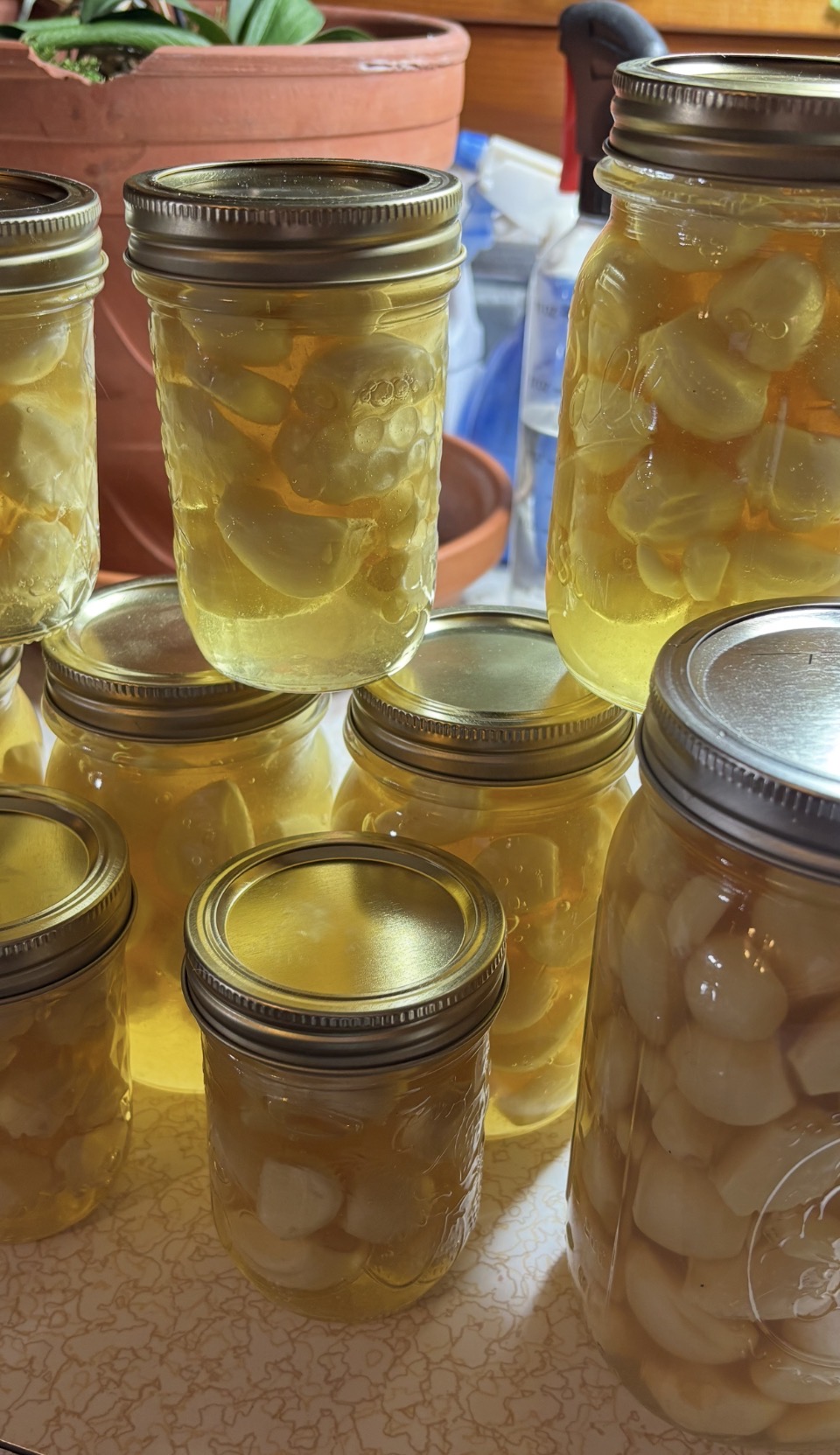
I was in Marden’s Discount Store today and bought yet another cast iron frying pan. Mason jars and cast iron are two things I just can’t seem to pass on. Gah, I have so many. I haven’t yet finished the stairs to my bedroom but I have a pile of cast iron and ball jars.
I think it’s because in the the heart of every old kitchen, among the modern gadgets and stainless trinkets, the humble old cast iron skillet holds a place of honor. It’s so sturdy and timeless a piece of cookware that it connects us to a bygone era. This is where the sizzle of butter on hot iron is the prelude to all family gatherings and hearty meals. I can’t count the amount of times, I grabbed a hot handle but enjoyed myself in the kitchen with four generations of matriarchs anyway.
Cast iron cooking is really more than tradition; it’s also about both superior culinary performance and the health benefits that modern technology struggles to match. In this blog post, I’m going to cover why this “ancient” (and I use that term loosely) cooking method continues to capture our hearts and enhance our meals, proving that sometimes, the old ways are the best ways.
For generations, cast iron has been a staple in kitchens around the world. It’s cherished for its dependability and versatility. Nans all carefully seasoned their skillets to pass down to the next generation and chefs in high-end restaurants sear their steaks to perfection. Cast iron transcends both time and culture. Its enduring value is a testament to its ability to retain and evenly distribute heat. This makes it ideal for cooking everything from Sunday pancakes to seared scallops.
The sound of ingredients hitting the hot surface of a cast iron pan triggers a cascade of memories—the aroma of bacon crisping on a lazy Saturday morning, or the golden brown potatoes and onions at camp. There’s a certain magic in these moment where recipes and secrets are whispered from one generation to the next. This nostalgia isn’t just about the past; it’s about the stories and connections that continue to flavor our present.

Each meal prepared in a cast iron skillet is steeped in history, yet remains as fresh and relevant as ever. Whether it’s a simple grilled cheese sandwich or an elaborate, sizzling fajita platter, the results seem to speak for themselves—flavorful food that tastes of tradition and love.
Scientific Benefits of Cast Iron Cooking
Cast iron cookware shouldn’t be valued for its old-world charm along. It’s also chock full of significant scientific advantages. The key to its enduring popularity lies in its exceptional heat retention and even heat distribution. Unlike thinner, more modern pans, cast iron provides a uniform heat that cooks food evenly, reducing hot spots that can cause uneven cooking. This is particularly beneficial for complex tasks like searing meat or baking perfect bread, where consistent temperature is crucial.
One of the less discussed yet significant benefits of cooking with cast iron is the natural fortification of food with iron. This occurs when small amounts of iron are transferred from the pan to the food during the cooking process. Studies have shown that this can increase the iron content in your meals, which is particularly beneficial for individuals with iron deficiency anemia or those looking to boost their iron intake. Iron is vital for forming hemoglobin, a molecule in red blood cells that helps carry oxygen throughout the body, enhancing energy levels and overall health.
The science of flavor in cast iron cooking also deserves a mention here. When a cast iron skillet is well-seasoned, it develops a natural non-stick surface made of polymerized fats and oils, which contributes to flavor development. This seasoning layer improves with use, enhancing the taste of food by creating superior caramelization and browning. These chemical reactions not only improve the visual appeal of food but also deepen the flavors, adding complexity that is difficult to achieve with other types of cookware.

Moreover, the ability of cast iron to withstand higher temperatures allows for better searing of meat, locking in juices and creating a delicious crust that is rich in flavor. This is both beneficial for taste and for health. This process preserves nutrients that might otherwise be lost with overcooking or uneven heat!
Environmental and Health Concerns with Non-Stick Coatings
While non-stick pans offer convenience and easy clean-up, they come with a set of significant health and environmental drawbacks that are often overlooked in favor of their practicality. Understanding these concerns can help inform better choices in the kitchen.
The primary issue with many non-stick cookwares lies in their coating, commonly made from polytetrafluoroethylene (PTFE), better known by the brand name Teflon. When heated to high temperatures, PTFE coatings can release toxic fumes known as perfluorooctanoic acid (PFOA), among other chemicals.
These fumes have been shown to cause flu-like symptoms in humans, colloquially known as “Teflon flu,” and can be fatal to birds. Furthermore, studies have linked prolonged exposure to PFOA with several health risks, including kidney and liver diseases, as well as reproductive issues. While many newer non-stick products are marketed as “PFOA-free,” they may still emit other harmful chemicals when overheated. YUCK. How is this legal?
Environmental Hazards
From production to disposal, non-stick cookware poses several environmental hazards. The manufacturing process of PTFE-coated pans is energy-intensive and involves the emission of various pollutants, including greenhouse gases. If you have followed my blog AT ALL, you know that we have enough of those. Additionally, the durability of non-stick pans is considerably lower than that of cast iron. This leads to more frequent replacements which contributes to waste. Unlike cast iron, which can last for generations and often improves with age, non-stick pans wear out and cannot be recycled. Then, they end up in landfills where their chemical components leach into the soil and water systems.
On the flip side, cast iron skillets/pots offer a compelling sustainable alternative. Cast iron is incredibly durable, lasting several lifetimes. Plus, all cast iron cookware can be completely recycled if it ever does need to be disposed of. This longevity reduces waste and the need for frequent manufacturing of replacements. All of this contributes to a smaller environmental footprint.
Care and Longevity of Cast Iron Cookware
Properly caring for cast iron is key to its longevity and performance. Here are some tips for maintaining your cast iron cookware:
- Seasoning: Keep your skillet well-seasoned to protect it from rust and create a natural, non-stick surface. Seasoning involves coating it with a thin layer of oil and heating it to create a bond that acts as a barrier against moisture. A little lard to cook in works great!
- Cleaning: Avoid using soap and abrasive sponges on cast iron. Instead, clean your skillet with hot water and a stiff brush, and then dry it thoroughly to prevent rust. (I won’t tell you how I know this. I’ve left a few to soak too long in the sink. But, because they’re cast iron, were able to be fixed.)
- Storage: Store your cast iron in a dry place and avoid stacking with other cookware directly on the surface without protection to maintain the seasoning layer.
By practices just a bit of care, your cast iron can serve as a reliable cooking tool that will get better with age. This should make it a staple in sustainable kitchens everywhere.
So, remember cast iron next time you shop (link below)—it’s a choice that benefits our health, enhances our food, and respects our environment. All good things. As we look for ways to make our kitchens more sustainable and our meals more nutritious, cast iron stands out as a solid investment. It promises ecades of excellent cooking experiences. Whether you’re searing, sautéing, baking, or frying, cast iron cookware is a testament to the adage that sometimes, the old ways are indeed the best ways.
Now, let’s fast forward to today…Amazon is around (for better or worse) and this is hands down the best deal on a cast iron set I have found. It has four sizes in this set. I even bought some nice leather, not silicone, handle covers recently. (For another post perhaps.)

Happy cast iron cooking!






Leave a Reply