
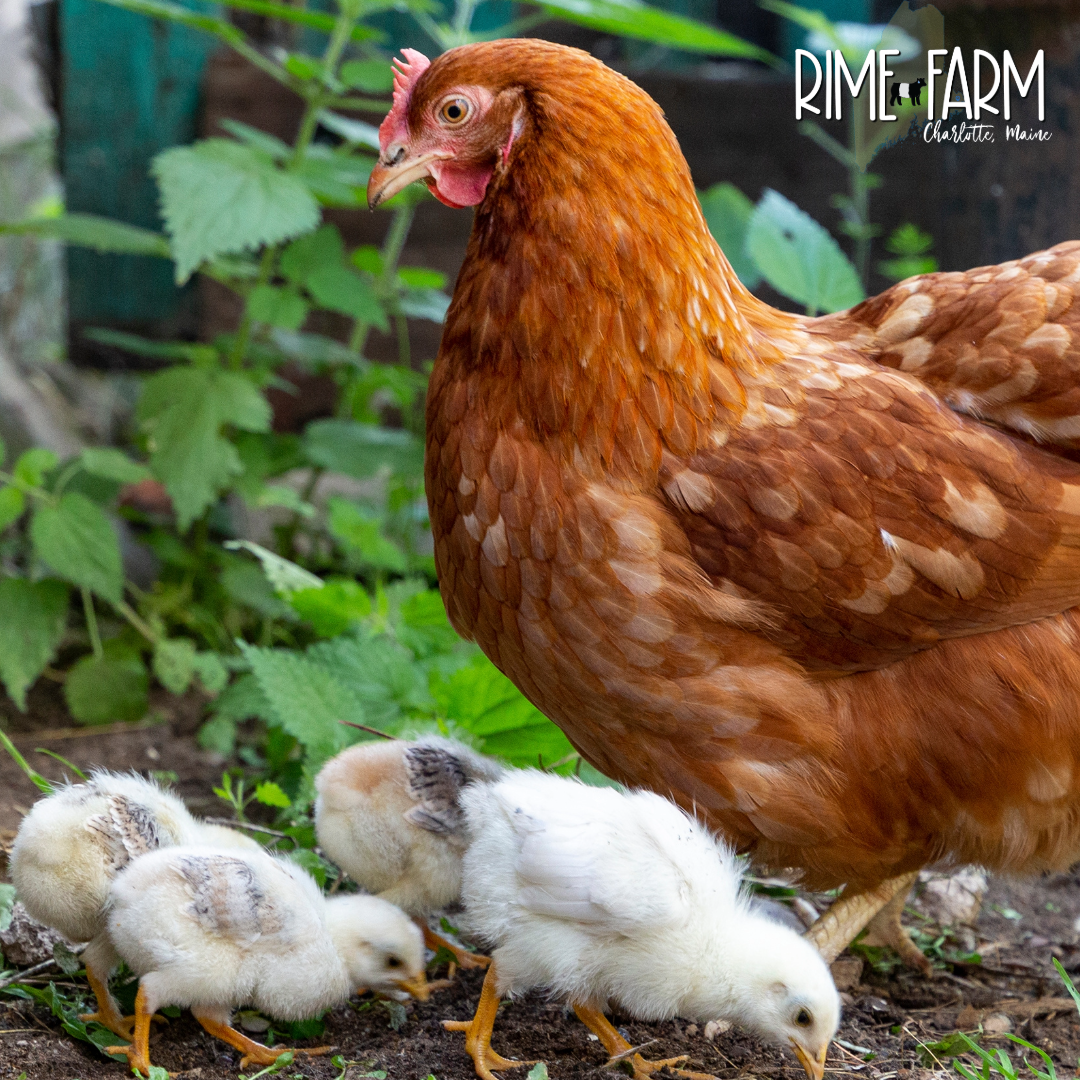
If you’ve ever seen a free-range barnyard flock in action, you might have noticed not all of them are the same. Today, we’re clearing up the confusion between the terms keets, chickens, and poults.
Keets: The Young of Guinea Fowl
First up are keets, which are not a species you might typically find in the average backyard coop. Keets are the juvenile form of guinea fowl. These are birds that hail originally from Africa but have become popular in various parts of the world, including Maine. These birds are known for their loud calls and are often kept for several reasons, including meat and eggs. BUT, they are more sought after because they are excellent at controlling pests, like ticks and bugs. Yes, you heard that right…ticks and bugs. Keets typically sport greyish plumage, which is often speckled but they can come in other colors as well.

Chickens: From Chicks to Adults
Chickens, on the other hand, are far more recognizable. The term ‘chicken’ can refer to both the male and female of the species, whereas specific terms like ‘hen’ (female) and ‘rooster’ (male) are used to distinguish between the sexes. Chickens are prized on Rime Farm for both their meat and eggs and play a crucial role in the economy of poultry farming. They come in a variety of breeds, sizes, and colors, adapting well to different environments.
Poults: Baby Turkeys
Lastly, we have poults, which are baby turkeys. Turkeys are larger than chickens and guinea fowl and are native to North America. Poults, like turkey adults, are heavier and have bigger feet compared to keets and chicks. Turkeys are generally raised for meat, and their popularity spikes around the holiday season. Hello Thanksgiving! The juvenile turkeys have a more robust build even from a young age and are usually more sedate compared to the energetic keets.
Whether you’re a seasoned farmer or a curious observer, these distinctions are fascinating aspects of farm life. Here’s a video of all three. We put them all in the same brooder (heated coop for baby poultry) so we could clean their individual brrods. The chicks are hiding!





Leave a Reply