
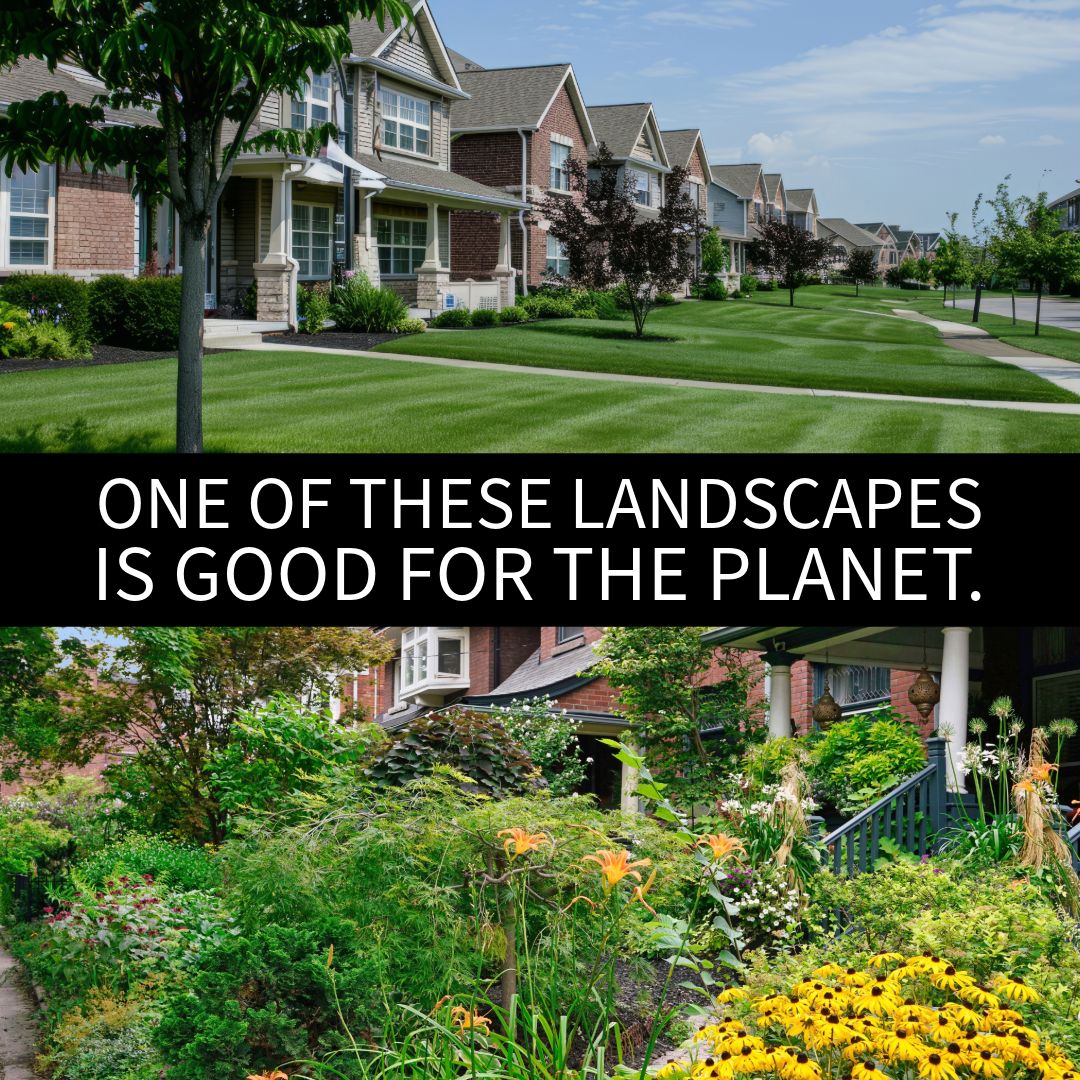
Imagine your lawn turning into a buzzing haven of life, full of blooming flowers and fluttering butterflies. That’s the vision of No Mow May, an inspiring initiative encouraging homeowners and land managers to let their grass grow wild for the entire month of May. By holding back on mowing, we give nature a chance to thrive, creating a sanctuary for pollinators like bees and butterflies. These creatures are crucial for maintaining healthy ecosystems and supporting our food supply through pollination.
No Mow May started in the UK, thanks to Plantlife, a conservation group worried about the decline of pollinators. With bees and other insects facing threats from habitat loss and climate change, the movement has gained global traction. Communities across the world, including in the United States, are now embracing this practice to support environmental health. There are a growing number of organizations that promote the initiative, including, BeeCity USA.

Skipping the lawnmower for a month brings a host of benefits.
First, it gives pollinators a much-needed boost. When lawns are left uncut, wildflowers bloom, offering nectar and pollen that bees and butterflies desperately need. This simple act can help reverse the decline in these essential populations.
Moreover, letting grass and wildflowers grow enhances biodiversity. Diverse plant life supports a wide array of wildlife, from insects to birds to small mammals. Your yard becomes a mini-ecosystem, balanced and resilient, contributing to a healthier environment overall. (How cool is that?!)
There’s also a climate advantage. Uncut vegetation sequesters more carbon, helping to combat climate change. Plus, taller grass retains moisture better, reducing the need for frequent watering. This water conservation aspect is critical, especially in areas facing drought conditions.
And lastly, don’t forget about emissions. Lawnmowers, especially gas-powered ones, release pollutants into the air. By mowing less, you cut down on these emissions, contributing to cleaner air and a healthier planet.
If No Mow May catches on widely, the cumulative impact could be significant. Pollinators would thrive, leading to better pollination of both crops and wild plants. You can read more about the critical importance of pollinators on our blog here.
Increased biodiversity would transform urban and suburban areas into wildlife-friendly zones, creating green corridors that connect natural habitats. On a larger scale, this practice could aid in climate mitigation efforts through enhanced carbon sequestration and reduced emissions.
However, we must acknowledge the challenges. Many people prize their manicured lawns and might be resistant to the idea of letting native plants grow wild. We should all learn to appreciating the natural beauty of an untamed lawn.
In some communities, local regulations might pose a hurdle. Some areas have strict lawn maintenance laws that might conflict with No Mow May practices. So, it’s important residents advocate for policy changes or exemptions for environmental reasons. You can read more about these initiatives here and how your particular community can participate: https://beecityusa.org/no-mow-may/
No Mow May is more than just a break from mowing. It’s a step toward a healthier planet, fostering biodiversity, supporting pollinators, and promoting sustainable practices. By participating, you can make a meaningful impact in your community and encourage others to join the movement. So this May, let your lawn grow wild and witness the beauty and benefits it brings. Together, we can make a difference!






Leave a Reply